
When your vehicle struggles to start, displays a warning light, or begins experiencing electrical problems, it may not be immediately clear which component is responsible. The battery, starter, alternator, and charging system all work together, and a problem with one part can create symptoms that resemble a failure somewhere else. Professional testing is the most reliable way to identify the source of the issue before replacing components unnecessarily.
Interstate Batteries Grants Pass provides battery, starter, and alternator testing in Grants Pass, OR, to help drivers understand what is happening with their vehicles. Whether your engine is turning over slowly, your headlights appear dim, or your battery repeatedly loses its charge, a complete diagnostic evaluation can help determine the next step.
Drivers often search for “battery testing near me” after experiencing a no-start condition, but battery testing is only one part of a thorough electrical system evaluation. A battery can test weak because it has reached the end of its usable life, but it can also lose power when the alternator is not charging it correctly. In other situations, the battery and alternator may be functioning properly while the starter is unable to crank the engine.
Testing these connected systems helps separate the symptoms from the actual cause. The goal is to provide accurate information so you can make an informed decision about your vehicle’s maintenance and repair needs.
Why Battery, Starter, and Alternator Testing Matters
A vehicle depends on several electrical components each time you turn the key or press the start button. The battery supplies the initial electrical power needed to activate the starter. The starter uses that power to crank the engine. Once the engine is running, the alternator generates electricity and helps recharge the battery.
If any part of this process is interrupted, the vehicle may not start or may stop operating correctly. Because these systems are closely connected, guessing which component has failed can lead to unnecessary costs.
For example, installing a new battery may temporarily improve a starting problem, but the new battery can lose its charge if the alternator is not producing enough power. Replacing an alternator will not resolve a no-start condition caused by a damaged starter. Similarly, a starter may appear weak when the real issue is a discharged battery or poor cable connection.
Starter and alternator testing helps determine whether each component is operating within an appropriate range. Combined with battery testing and charging system diagnostics, these evaluations provide a clearer picture of the vehicle’s electrical health.
Testing may be helpful when you notice:
The battery is the foundation of your vehicle’s starting system. It stores electrical energy and supplies the power needed to crank the engine. It also supports lights, electronics, security systems, and other accessories when the engine is not running.
Over time, batteries naturally lose their ability to hold and deliver a charge. Heat, cold weather, frequent short trips, extended periods of inactivity, corrosion, and electrical demands can all influence battery performance. A battery may continue operating even when its available starting power has declined significantly, which is why testing can be valuable before a complete failure occurs.
Battery testing in Grants Pass, OR, can help determine whether your battery is adequately charged and capable of delivering the power your vehicle requires. Rather than evaluating the battery based only on its age or exterior appearance, a diagnostic test examines how it performs under electrical demand.
Your vehicle’s charging system helps provide electricity after the engine starts. The alternator generates electrical power, the battery stores energy, and voltage-regulating components help control the amount of electricity moving through the system.
Charging system diagnostics in Grants Pass, OR, can help determine whether the alternator is producing sufficient power and whether that power is reaching the battery correctly. These diagnostics are important when a battery repeatedly becomes discharged, even after it has been recharged or replaced.
A complete alternator check evaluates more than whether the engine happens to be running. An alternator can produce some electrical power while still failing to meet the vehicle’s demands. Intermittent failures may also appear only under certain loads or operating conditions.
The starter is responsible for physically cranking the engine when you attempt to start the vehicle. It uses electricity from the battery to engage the engine and begin the combustion process. Once the engine starts, the starter disengages and the alternator takes over much of the vehicle’s electrical supply.
Starter and charging system diagnostics in Grants Pass, OR, evaluate how these components work together. This is especially helpful when the vehicle has power but does not crank, starts only intermittently, or produces clicking or grinding noises.
- Slow or inconsistent engine cranking
- Repeatedly needing a jump-start
- Clicking when attempting to start the vehicle
- Dim or flickering headlights
- Dashboard battery or charging warning lights
- Electrical accessories operating inconsistently
- A battery that loses its charge shortly after being recharged
- Unusual noises during startup
- A burning smell near the engine compartment
- The engine stalling shortly after starting
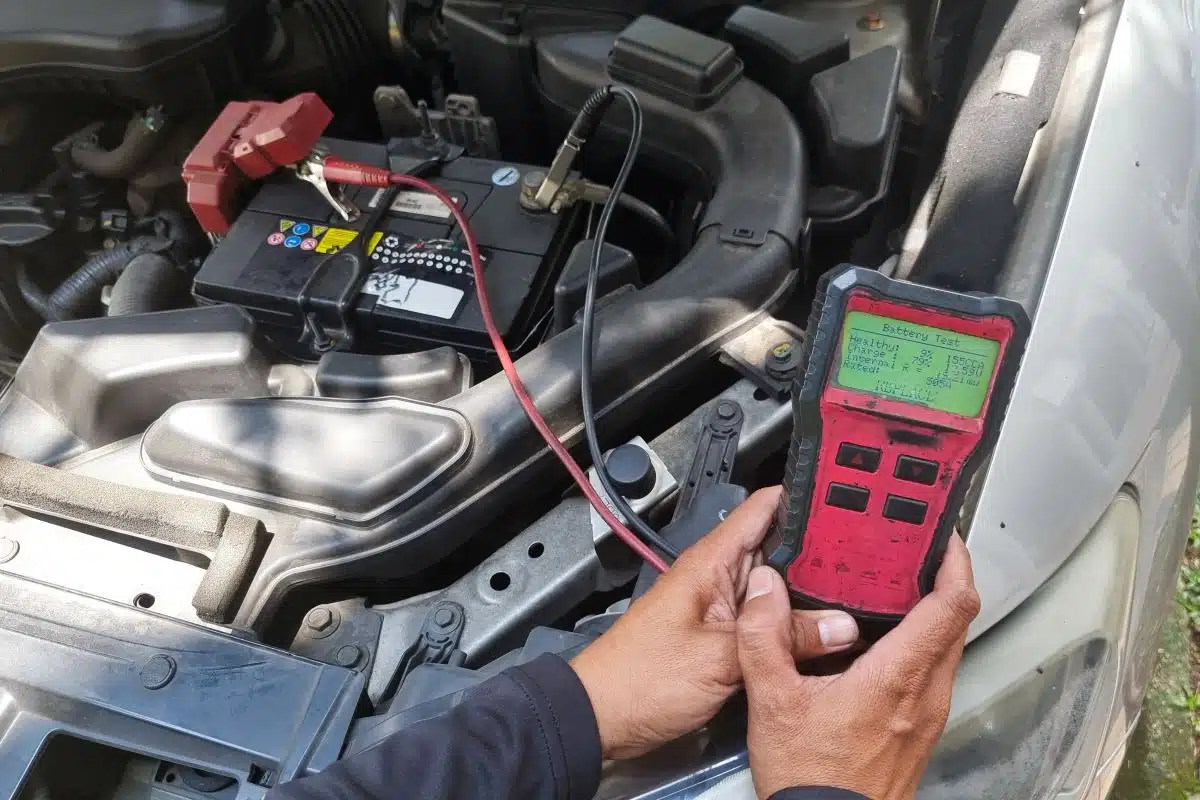 Battery Testing & Diagnostics In Grants Pass, OR
The battery is the foundation of your vehicle’s starting system. It stores electrical energy and supplies the power needed to crank the engine. It also supports lights, electronics, security systems, and other accessories when the engine is not running.
Over time, batteries naturally lose their ability to hold and deliver a charge. Heat, cold weather, frequent short trips, extended periods of inactivity, corrosion, and electrical demands can all influence battery performance. A battery may continue operating even when its available starting power has declined significantly, which is why testing can be valuable before a complete failure occurs.
Battery testing in Grants Pass, OR, can help determine whether your battery is adequately charged and capable of delivering the power your vehicle requires. Rather than evaluating the battery based only on its age or exterior appearance, a diagnostic test examines how it performs under electrical demand.
What Does Battery Testing Evaluate?
A battery evaluation may consider several factors, including its state of charge, available starting power, voltage, overall condition, and ability to hold energy. The results can help indicate whether the battery is healthy, discharged, weakening, or likely in need of replacement. A battery that produces a low test result is not always permanently damaged. It may simply need to be recharged before it can be accurately evaluated. However, a battery that repeatedly loses its charge or fails to meet performance standards may no longer be dependable. Testing can also reveal when the battery itself is not the primary problem. If the battery is in acceptable condition but continues to go dead, the vehicle may have a charging system issue, loose connection, damaged cable, or electrical drain that needs further investigation.When Should You Schedule Battery Testing?
You do not need to wait until your vehicle refuses to start. Preventive battery testing can help identify declining performance while the vehicle is still operational. Consider testing your battery when:- The engine cranks more slowly than usual
- The battery is several years old
- The vehicle has been sitting unused
- You recently needed a jump-start
- Interior or exterior lights appear dim
- Electrical accessories hesitate or reset
- The battery terminals show corrosion
- Seasonal temperatures are changing
- You are preparing for a long trip
- The battery or charging warning light appears
What Happens When a Battery Is Weak?
A weak battery may still have enough energy to operate lights or dashboard accessories but not enough power to crank the engine. Starting a vehicle requires a significant amount of current within a short period. This is why a vehicle can appear to have electrical power while still being unable to start. Common signs of a weak battery include slow cranking, rapid clicking, intermittent starting, electronic settings resetting, and the need for repeated jump-starts. In some vehicles, low battery voltage can also cause warning messages or unusual electronic behavior. These symptoms should not automatically be treated as proof that the battery needs replacement. Testing provides a more reliable assessment than relying on symptoms alone.Why a Visual Inspection Is Not Enough
A battery may look clean and undamaged while having reduced internal capacity. Conversely, visible corrosion around a terminal does not necessarily mean the battery itself has failed. Corrosion, loose terminals, and damaged cables can restrict the flow of electricity and create starting problems even when the battery remains usable. Battery diagnostics should consider both the battery and the connections that carry electrical power to the rest of the vehicle. A loose or corroded connection can produce symptoms similar to a weak battery, including clicking, slow cranking, and intermittent power loss. A complete evaluation helps determine whether the concern involves the battery, the surrounding connections, or another part of the starting and charging system.Battery Testing After a Jump-Start
A successful jump-start confirms that the vehicle was not receiving enough power to start on its own, but it does not explain why. The battery may have been discharged because a light was left on, because the vehicle sat unused, or because the alternator is not restoring the battery’s charge. After a jump-start, battery testing can determine whether the battery is still capable of functioning reliably. Charging system diagnostics can then help determine whether the alternator is replenishing the battery while the engine is running. Without testing, it can be difficult to know whether the jump-start solved an isolated incident or temporarily masked a developing problem. Vehicle Charging System Diagnostics In Grants Pass, OR
Your vehicle’s charging system helps provide electricity after the engine starts. The alternator generates electrical power, the battery stores energy, and voltage-regulating components help control the amount of electricity moving through the system.
Charging system diagnostics in Grants Pass, OR, can help determine whether the alternator is producing sufficient power and whether that power is reaching the battery correctly. These diagnostics are important when a battery repeatedly becomes discharged, even after it has been recharged or replaced.
A complete alternator check evaluates more than whether the engine happens to be running. An alternator can produce some electrical power while still failing to meet the vehicle’s demands. Intermittent failures may also appear only under certain loads or operating conditions.
 Vehicle Charging System Diagnostics In Grants Pass, OR
What Does the Alternator Do?
The alternator converts mechanical energy from the running engine into electrical energy. That electricity powers the vehicle’s electrical systems and helps recharge the battery after startup. Modern vehicles may have substantial electrical demands. Headlights, climate controls, audio equipment, computers, safety features, heated seats, charging ports, and other accessories all rely on the charging system. If alternator output becomes insufficient, the battery may begin supplying power that should normally come from the alternator. Once the battery’s stored energy is depleted, the vehicle may stall or refuse to restart.Warning Signs of an Alternator Problem
Alternator problems can produce symptoms that are easy to confuse with battery failure. An alternator test near me may be appropriate when you notice:- A battery or charging system warning light
- Headlights that dim while driving
- Lights that brighten when the engine is accelerated
- Electrical accessories working slowly
- Repeated battery failure
- A whining or grinding noise near the alternator
- A burning rubber or electrical smell
- Difficulty starting despite a recently charged battery
- The engine stalling unexpectedly
- Dashboard gauges or electronics behaving inconsistently
What Is Included in an Alternator Check?
An alternator check may evaluate charging voltage, electrical output, consistency, and the vehicle’s response under increased electrical demand. The purpose is to determine whether the charging system is supplying the battery and electrical accessories with appropriate power. Testing may also help identify overcharging. An alternator or regulating component that produces excessive voltage can damage the battery and sensitive vehicle electronics. Charging system diagnostics should therefore evaluate whether output is too low, too high, or unstable. A dependable alternator diagnostics service can help identify:- Insufficient alternator output
- Intermittent charging
- Excessive charging voltage
- Weak performance under electrical load
- Poor connections
- Belt-related charging concerns
- Battery and alternator compatibility issues
- Charging problems affecting a recently replaced battery
Can You Drive With a Failing Alternator?
A vehicle may continue running temporarily with a weak alternator because the battery supplies reserve electricity. However, once the battery’s stored power is depleted, the engine and electrical systems may shut down. How long the vehicle continues operating depends on battery charge, electrical demand, and the severity of the alternator problem. Driving with a suspected charging failure can result in stalling and may leave the vehicle unable to restart. If the charging warning light appears or the vehicle begins losing electrical power, it is wise to arrange testing promptly rather than continuing to drive and hoping the problem resolves itself.Alternator Repair Versus Replacement
The appropriate solution depends on the cause and severity of the charging system problem. Some issues may involve loose connections, damaged cables, belts, tensioners, or other related components. Other problems may require alternator repair or replacement. Accurate alternator testing helps prevent the replacement of a component that is still functioning properly. It can also identify a failing alternator before it damages the battery or causes a roadside breakdown. The diagnostic results should guide the repair decision rather than assumptions based solely on the age of the vehicle or battery.Starter & Charging System Diagnostics In Grants Pass, OR
The starter is responsible for physically cranking the engine when you attempt to start the vehicle. It uses electricity from the battery to engage the engine and begin the combustion process. Once the engine starts, the starter disengages and the alternator takes over much of the vehicle’s electrical supply.
Starter and charging system diagnostics in Grants Pass, OR, evaluate how these components work together. This is especially helpful when the vehicle has power but does not crank, starts only intermittently, or produces clicking or grinding noises.
 Starter & Charging System Diagnostics In Grants Pass, OR
What Are the Signs of a Starter Problem?
Starter problems often produce symptoms that differ from a completely discharged battery, but the distinction is not always obvious. Possible signs include:- A single click when turning the key
- Repeated clicking during a start attempt
- The engine failing to crank
- Intermittent starting
- Grinding during startup
- A starter that continues running after the engine starts
- Smoke or a burning smell after repeated start attempts
- The vehicle starting only after several tries
- Dashboard lights remaining bright while the engine does not crank
Battery Failure Versus Starter Failure
When a battery is weak, the engine often cranks slowly or produces rapid clicking. Lights may dim significantly during the start attempt. When the starter itself is failing, the vehicle may produce one solid click or no cranking even though the lights and accessories appear strong. These patterns can provide clues, but they are not definitive. Loose battery cables, corroded connections, ignition problems, neutral safety switches, relays, and wiring concerns can also interfere with starting. Testing is the most dependable way to separate a battery concern from a starter or connection problem.Why Does the Vehicle Start Sometimes but Not Others?
Intermittent starting can be caused by a starter that is beginning to fail, a loose electrical connection, a weak battery, inconsistent alternator charging, or another control-system issue. Temperature and vehicle position may also influence how a worn starter behaves. A vehicle might start normally when cold but struggle after being driven, or it may start after several attempts. Because intermittent issues may disappear temporarily, it is important to describe the symptoms carefully during the diagnostic process. Details such as whether the engine cranks, clicks, starts after cooling down, or responds to a jump-start can help guide testing.What Is Starter and Alternator Testing?
Starter and alternator testing evaluates the performance of the vehicle’s primary starting and charging components. The battery is also tested because it supplies the starter and stores energy from the alternator. A complete diagnostic approach may examine:- Battery state of charge
- Battery starting capability
- Voltage during cranking
- Starter electrical draw
- Starter engagement
- Alternator output
- Charging voltage
- Electrical connections
- Performance under accessory load
What Can Damage a Starter?
Starters are designed for short periods of operation. Holding the key in the start position for an extended time or repeatedly attempting to start an engine that will not run can cause heat buildup and additional wear. Oil leaks, moisture, poor electrical connections, worn internal components, damaged gears, and normal long-term use may also contribute to starter problems. A weak battery can place additional strain on the starter because the motor may receive insufficient voltage. This is another reason battery testing should be included when evaluating starter concerns.Should You Keep Trying to Start the Vehicle?
Repeatedly attempting to start a vehicle can drain the battery and overheat the starter. If the engine is not cranking normally, it is better to pause and have the system evaluated rather than continuing repeated start attempts. Grinding sounds should be taken seriously. Grinding can indicate that the starter is not engaging correctly with the engine. Continuing to operate the starter under those conditions may cause additional damage. Clicking, smoke, burning smells, or unusually slow cranking are also reasons to stop and arrange professional testing.Common Questions About Battery, Starter, and Alternator Testing
How Long Does Battery Testing Take?
The time required depends on the battery’s state of charge and the type of evaluation needed. A sufficiently charged battery can often be tested promptly. A deeply discharged battery may need to be recharged before its condition can be accurately determined. Additional time may be needed when the concern involves intermittent starting, alternator output, electrical connections, or multiple components.Does a Passing Battery Test Mean the Charging System Is Fine?
No. Battery testing evaluates the battery, while alternator testing evaluates the vehicle’s ability to recharge it and power the electrical system. A battery may test well but become discharged because the alternator is weak. For a complete picture, both the battery and charging system should be evaluated when there are repeated starting or electrical problems.Can Cold or Hot Weather Affect Test Results?
Temperature can influence battery performance. Cold conditions reduce the battery’s ability to deliver starting power, while prolonged heat can accelerate internal deterioration. A battery that appears adequate under mild conditions may struggle during temperature extremes. Preventive testing can be particularly useful before significant seasonal changes.Why Is the Battery Light On?
The dashboard battery symbol usually indicates a charging system concern rather than simply confirming that the battery is old. The warning may appear when the alternator is not producing enough power, the charging circuit has a problem, or another related condition is detected. The vehicle may continue operating temporarily, but testing should be arranged promptly.Will a Jump-Start Fix an Alternator Problem?
A jump-start can provide enough temporary power to start the engine, but it will not repair a failing alternator. If the alternator is not charging, the vehicle will continue using the battery’s limited stored electricity and may stall again. A jump-start should be followed by battery and alternator diagnostics when the cause of the discharge is unknown.Can a Bad Starter Drain the Battery?
A starter that draws excessive current or requires repeated start attempts can quickly discharge a battery. However, many other conditions can also drain the battery. Starter and charging system diagnostics can help determine whether the starter is using more power than expected or whether the battery was already weak.Why Does the Vehicle Click but Not Start?
Clicking can indicate low battery power, poor cable connections, a starter issue, or another problem in the starting circuit. Rapid clicking often occurs when battery voltage is too low, while a single click may be associated with starter engagement problems. Testing is necessary to confirm the cause.Benefits of Professional Electrical System Testing
Professional testing replaces guesswork with measurable information. Rather than purchasing a battery, starter, or alternator based only on symptoms, drivers can evaluate the components and determine which part of the system needs attention. Benefits include:- Identifying the underlying cause of starting problems
- Avoiding unnecessary component replacement
- Detecting charging issues before a breakdown
- Evaluating a battery after a jump-start
- Confirming alternator performance under load
- Checking starter operation
- Recognizing connection-related problems
- Protecting a replacement battery from an unresolved charging issue
- Making repair decisions with greater confidence
Local Testing for Grants Pass Drivers
Local driving conditions can place different demands on vehicle batteries and charging systems. Short trips may not give the alternator enough time to fully restore the energy used during startup. Vehicles that sit for extended periods can gradually lose battery charge. Seasonal temperature changes can also reveal a battery that has already begun to weaken. Drivers searching for an alternator test near me or battery testing near me are often looking for a fast explanation for a current problem. However, testing can also serve as preventive maintenance. Consider arranging battery, starter, and alternator testing before:- A long-distance drive
- Seasonal travel
- Leaving a vehicle parked for an extended period
- Purchasing a replacement battery
- Replacing an alternator or starter
- Installing additional electrical accessories
- Returning a stored vehicle to regular use
- Relying on a vehicle for daily work or commuting
Why Test the Entire Starting and Charging System?
The battery, starter, and alternator should not be treated as completely separate systems. Each component influences the others. A weak alternator can discharge the battery. A weak battery can strain the starter. A starter with excessive current draw can make the battery appear defective. Loose or damaged connections can affect all three components. This is why comprehensive starter and alternator testing is often more useful than replacing the component that seems most likely to be responsible. Complete system testing helps answer important questions:- Is the battery storing enough power?
- Can the battery deliver sufficient power during startup?
- Is the starter cranking the engine properly?
- Is the alternator recharging the battery?
- Is charging voltage stable?
- Are electrical connections limiting performance?
- Is another issue affecting the starting or charging system?
